

Request Homogeneity & carry-over research
Contact us:+31 413 382633
info@nutricontrol.nl
How Does Manganese Protein Work?
In carry-over testing, a soybean mix rich in protein and manganese is first produced. Immediately after, a low-protein and low-manganese mix is processed on the same production line. Carry-over is measured by analyzing the increase in protein and manganese levels in the second mix.
Homogeneity is determined by measuring the distribution of manganese in the mix. The more evenly manganese is distributed, the better the homogeneity of the mixing process.
For sample analysis, the following methods are used:
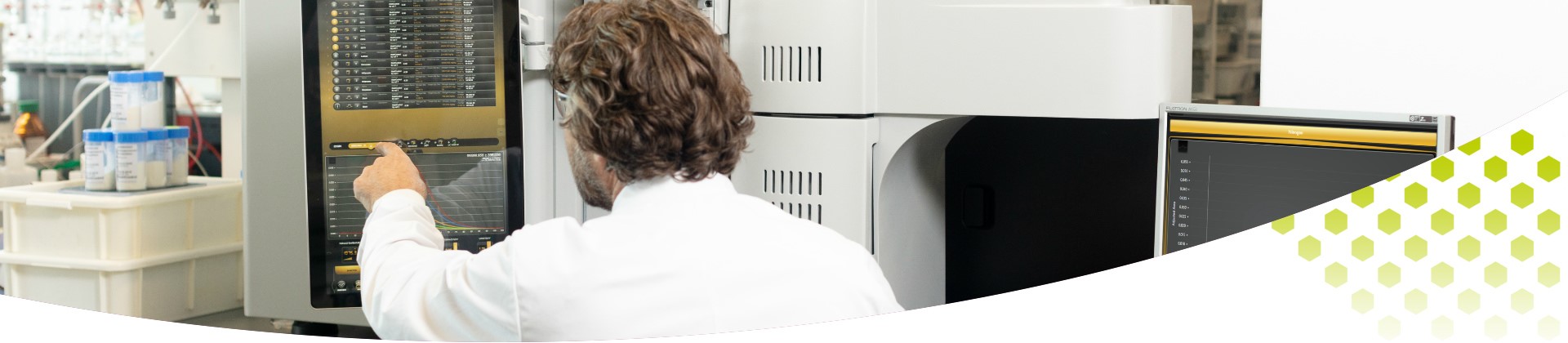
- ICP-OES (Inductively Coupled Plasma Optical Emission Spectrometry) for measuring manganese levels.
- Kjeldahl analysis for determining protein content.
Advantages of Manganese Protein
✔ Accurate measurements of carry-over and homogeneity in the production process.
✔ Insight into cleaning procedures and the effectiveness of mixing processes.
✔ Compliance with GMP+ and Ovocom requirements for residue control and homogeneity.
Applications in the Animal Feed Industry
Manganese protein is used by animal feed producers to ensure product quality and comply with regulatory standards. By testing for carry-over, manufacturers can optimize the effectiveness of their cleaning procedures and minimize cross-contamination. Additionally, it helps monitor mixing processes to ensure that feeds are correctly formulated.
Want to learn more about sampling methods and protocols? Check the GMP+ and Ovocom documentation for detailed guidelines.